I have been trying to gather Tibetan etexts like the Kangyur, and have found two sources:
- [Adarsha](https://adarsha.dharma-treasure.org/kdbs/degekangyur?pbId=2977725&locale=bo)
- [AsianClassics](https://asianclassics.org/library/downloads/)
Later I realized there are multiple editions of the "[Kangyur](https://en.wikipedia.org/wiki/Kangyur) " composed at different times. Kangyur seems to be as Wikipedia says, "loosely defined set of texts" meaning the "translated words" of the buddha. But digging into this deeper and looking at the above two sources, they are organized into **chunks** of text like this:
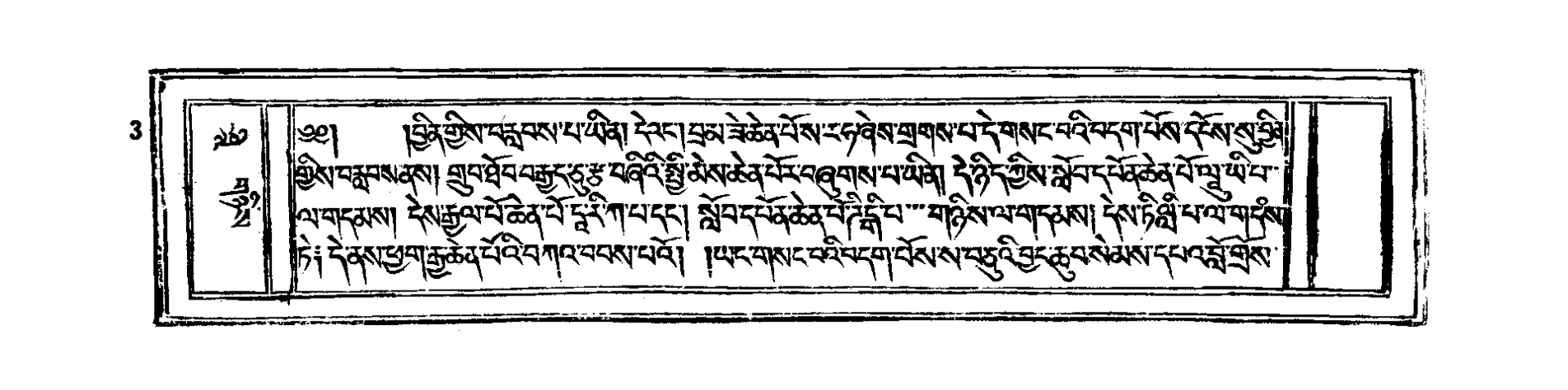
 But I haven't been able to find anything in images that match the _length_ of the text on each line. The images such as on [tbrc](https://www.tbrc.org/?locale=en#library_work_ViewInWIndow-W20749%7C1264%7C1%7C1%7C1%7C626) look like this, which has much shorter lines of lets say 50 characters instead of 200 in the unicode (i.e. the unicode text is much larger):
 But then you look to thlib and see their [catalog](http://www.thlib.org/encyclopedias/literary/canons/kt/catalog.php#cat=d/k) . They list works such as **འཕགས་པ་ཤེས་རབ་ཀྱི་ཕ་རོལ་ཏུ་ཕྱིན་པ་ཁྲི་པ་ཤེས་བྱ་བ་ཐེག་པ་ཆེན་པོའི་མདོ་** (actually I got that name from the RigpaWiki). Scratch that, they list works like འཕགས་པ་ཤེས་རབ་ཀྱི་ཕ་རོལ་ཏུ་ཕྱིན་པ་ཁྲི་པ་ཞེས་བྱ་བ་ཐེག་པ་ཆེན་པོའི་མདོ, "The Perfection of Wisdom in 10,000 lines". Searching Google for [འཕགས་པ་ཤེས་རབ་ཀྱི་ཕ་རོལ་ཏུ་ཕྱིན་པ་ཁྲི་པ་ཞེས་བྱ་བ་ཐེག་པ་ཆེན་པོའི་མདོ](https://www.google.com/search?q=%E0%BD%A0%E0%BD%95%E0%BD%82%E0%BD%A6%E0%BC%8B%E0%BD%94%E0%BC%8B%E0%BD%A4%E0%BD%BA%E0%BD%A6%E0%BC%8B%E0%BD%A2%E0%BD%96%E0%BC%8B%E0%BD%80%E0%BE%B1%E0%BD%B2%E0%BC%8B%E0%BD%95%E0%BC%8B%E0%BD%A2%E0%BD%BC%E0%BD%A3%E0%BC%8B%E0%BD%8F%E0%BD%B4%E0%BC%8B%E0%BD%95%E0%BE%B1%E0%BD%B2%E0%BD%93%E0%BC%8B%E0%BD%94%E0%BC%8B%E0%BD%81%E0%BE%B2%E0%BD%B2%E0%BC%8B%E0%BD%94%E0%BC%8B%E0%BD%9E%E0%BD%BA%E0%BD%A6%E0%BC%8B%E0%BD%96%E0%BE%B1%E0%BC%8B%E0%BD%96%E0%BC%8B%E0%BD%90%E0%BD%BA%E0%BD%82%E0%BC%8B%E0%BD%94%E0%BC%8B%E0%BD%86%E0%BD%BA%E0%BD%93%E0%BC%8B%E0%BD%94%E0%BD%BC%E0%BD%A0%E0%BD%B2%E0%BC%8B%E0%BD%98%E0%BD%91%E0%BD%BC) clicking around a bit gives [this](https://www.tbrc.org/?locale=bo#library_work_ViewByOutline-O1PD89051C2O0039%7CW1PD89051) , which looks closer is length to the unicode one:
 Wikipedia says "Perfection of Wisdom in 10,000 Lines" is ཤེས་རབ་ཀྱི་ཕ་རོལ་ཏུ་ཕྱིན་པ, so that's 3 different titles for the same text from 3 places.
First question is, where are these people getting the _titles_ from? The texts are just on these slates seemingly without titles. Are the titles only added after the fact when classifying them in their corresponding library?
Second question is, since say the Adarsha texts are divided into these 6 or 7 line chunks. How does one invent the "Perfection of Wisdom in 10,000 Lines" boundary? Are these "books" just a shelf of slates in a certain order? Are the slates kept in order? How do you know what constitutes a "complete book" like _Perfection of Wisdom in 10,000 Lines_? Who says that it's a book, the writers or the catalogers?
Third part of the question is, what is the most important aspect to keep in the structure of the text:
1. The physical layout?
2. The spacing between "tibetan words"?
3. The ordering of the slates?
4. The grouping of the volumes like in the Kangyur?
Basically, I want to know how to build an easy to consume Tibetan script collection of "texts". In the same way the Bible has a bunch of books, each with Chapters, each with Verses (all of which were added later, only books were the first thing to exist). Can you remove all the formatting and physical layout of the texts like shown above, and just make it one solid block for a whole book? What would be the most appropriate way to divide it up to make it easier to consume? The slate or block idea I don't fully understand and it seems (a) valueless and (b) a legacy factor, i.e. they had to carve it into wood because those were the tools at hand. But now with today's technology, what should be a good structure of the "texts", which can then be collected into a "canon" like the Kangyur?
Wikipedia says "Perfection of Wisdom in 10,000 Lines" is ཤེས་རབ་ཀྱི་ཕ་རོལ་ཏུ་ཕྱིན་པ, so that's 3 different titles for the same text from 3 places.
First question is, where are these people getting the _titles_ from? The texts are just on these slates seemingly without titles. Are the titles only added after the fact when classifying them in their corresponding library?
Second question is, since say the Adarsha texts are divided into these 6 or 7 line chunks. How does one invent the "Perfection of Wisdom in 10,000 Lines" boundary? Are these "books" just a shelf of slates in a certain order? Are the slates kept in order? How do you know what constitutes a "complete book" like _Perfection of Wisdom in 10,000 Lines_? Who says that it's a book, the writers or the catalogers?
Third part of the question is, what is the most important aspect to keep in the structure of the text:
1. The physical layout?
2. The spacing between "tibetan words"?
3. The ordering of the slates?
4. The grouping of the volumes like in the Kangyur?
Basically, I want to know how to build an easy to consume Tibetan script collection of "texts". In the same way the Bible has a bunch of books, each with Chapters, each with Verses (all of which were added later, only books were the first thing to exist). Can you remove all the formatting and physical layout of the texts like shown above, and just make it one solid block for a whole book? What would be the most appropriate way to divide it up to make it easier to consume? The slate or block idea I don't fully understand and it seems (a) valueless and (b) a legacy factor, i.e. they had to carve it into wood because those were the tools at hand. But now with today's technology, what should be a good structure of the "texts", which can then be collected into a "canon" like the Kangyur?
རྩོད་པ་དང་། །དགེ་འདུན་དབྱེན་རྣམས་བསྡུས་པ་ཡིན། །རབ་ཏུ་འབྱུང་བའི་གཞིའི་སྤྱི་སྡོམ་ལ། ཤཱ་རིའི་བུ་དང་མུ་སྟེགས་ཅན། །དགེ་ཚུལ་གཉིས་དང་བྱ་རོག་སྐྲོད། །དགྲ་བཅོམ་བསད་དང་ལག་རྡུམ་གྱི། །སྡེ་ཚན་
ཡང་དག་བསྡུས་པ་ཡིན། །སྡོམ་ལ། ཤཱ་རིའི་བུ་དང་རབ་འབྱུང་དང་། །བསྙེན་པར་རྫོགས་པར་གནང་བ་དང་། །ཉེ་སྡེས་ཚོགས་ནི་བསྡུས་པ་དང་། །ལྔ་པའི་སྡེ་ཚན་བསྡུས་པ་ཡིན། །བྱང་ཆུབ་སེམས་དཔའ་དགའ་ལྡན་གྱི་གནས་ན་བཞུགས་པ་ན།
ཡུལ་ཨང་ག་དག་ན་ཨང་གའི་རྒྱལ་པོ་ཞེས་བྱ་བས་རྒྱལ་སྲིད་འབྱོར་པ། རྒྱས་པ་བདེ་བ་ལོ་ལེགས་པ་སྐྱེ་བོ་དང་མི་མང་པོས་གང་བ་བྱེད་དུ་བཅུག་གོ། །ཡུལ་མ་ག་དྷཱ་དག་ན་ཡང་རྒྱལ་པོ་པད་མ་ཆེན་པོ་ཞེས་བྱ་བས། རྒྱལ་སྲིད་འབྱོར་པ་རྒྱས་པ་བདེ་བ་ལོ་
ལེགས་པ་སྐྱེ་བོ་དང་མི་མང་པོས་གང་བ་བྱེད་དུ་བཅུག་གོ། །རེས་འགའ་ནི་ཨང་གའི་རྒྱལ་པོ་དཔུང་དང་མཐུ་ཆེ་བ་ཡིན་ལ། རེས་འགའ་ནི་རྒྱལ་པོ་པད་མ་ཆེན་པོ་དཔུང་དང་མཐུ་ཆེ་བ་ཡིན་ནོ། །གང་གི་ཚེ་ཨང་གའི་རྒྱལ་པོ་དཔུང་དང་མཐུ་ཆེ་བ་དེའི་ཚེ་
ན། དེས་དཔུང་གི་ཚོགས་ཡན་ལག་བཞི་པ། གླང་པོ་ཆེ་པའི་ཚོགས་དང་། རྟ་པའི་ཚོགས་དང་། ཤིང་རྟ་པའི་ཚོགས་དང་། དཔུང་བུ་ཆུང་གི་ཚོགས་གོ་བསྐོན་ཏེ། ཡུལ་མ་ག་དྷཱ་རྒྱལ་པོའི་ཁབ་མ་གཏོགས་པ་བཅོམ་ནས་ཕྱིར་ལྡོག་པར་
བྱེད་དོ། །གང་གི་ཚེ་རྒྱལ་པོ་པད་མ་ཆེན་པོ་དཔུང་དང་མཐུ་ཆེ་བ་དེའི་ཚེ་ན། དེས་ཀྱང་དཔུང་གི་ཚོགས་ཡན་ལག་བཞི་པ། གླང་པོ་ཆེ་པའི་ཚོགས་དང་། རྟ་པའི་ཚོགས་དང་། ཤིང་རྟ་པའི་ཚོགས་དང་། དཔུང་བུ་ཆུང་གི་ཚོགས་གོ་བསྐོན་ཏེ།
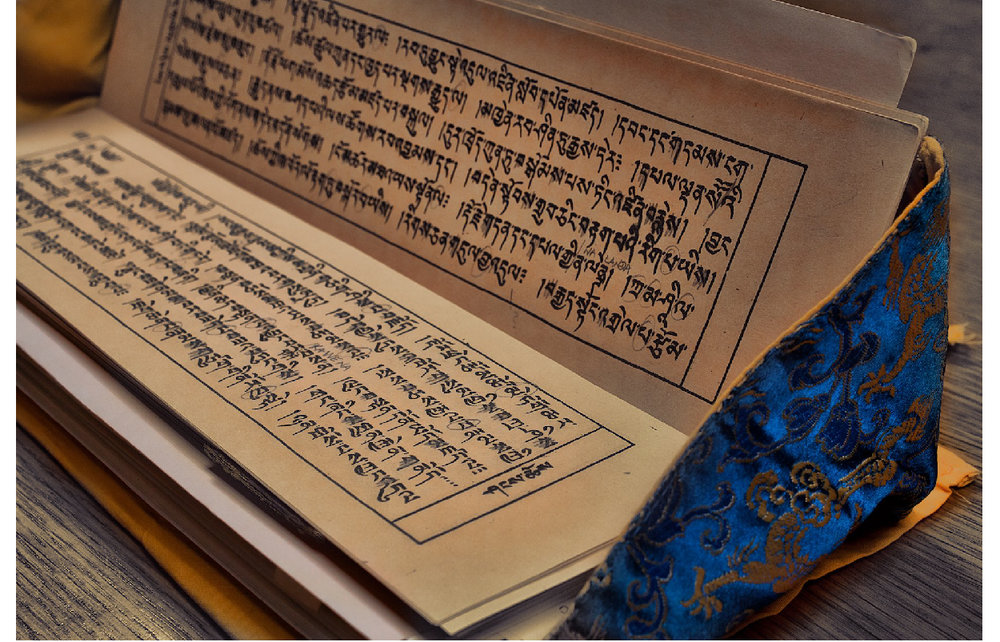
On Adarsha's Derge Kangyur specifically, it looks like every chunk is 6 or 7 lines. I am assuming this is because it was carved on wood blocks that look something like this:
But I haven't been able to find anything in images that match the _length_ of the text on each line. The images such as on [tbrc](https://www.tbrc.org/?locale=en#library_work_ViewInWIndow-W20749%7C1264%7C1%7C1%7C1%7C626) look like this, which has much shorter lines of lets say 50 characters instead of 200 in the unicode (i.e. the unicode text is much larger):
But then you look to thlib and see their [catalog](http://www.thlib.org/encyclopedias/literary/canons/kt/catalog.php#cat=d/k) . They list works such as **འཕགས་པ་ཤེས་རབ་ཀྱི་ཕ་རོལ་ཏུ་ཕྱིན་པ་ཁྲི་པ་ཤེས་བྱ་བ་ཐེག་པ་ཆེན་པོའི་མདོ་** (actually I got that name from the RigpaWiki). Scratch that, they list works like འཕགས་པ་ཤེས་རབ་ཀྱི་ཕ་རོལ་ཏུ་ཕྱིན་པ་ཁྲི་པ་ཞེས་བྱ་བ་ཐེག་པ་ཆེན་པོའི་མདོ, "The Perfection of Wisdom in 10,000 lines". Searching Google for [འཕགས་པ་ཤེས་རབ་ཀྱི་ཕ་རོལ་ཏུ་ཕྱིན་པ་ཁྲི་པ་ཞེས་བྱ་བ་ཐེག་པ་ཆེན་པོའི་མདོ](https://www.google.com/search?q=%E0%BD%A0%E0%BD%95%E0%BD%82%E0%BD%A6%E0%BC%8B%E0%BD%94%E0%BC%8B%E0%BD%A4%E0%BD%BA%E0%BD%A6%E0%BC%8B%E0%BD%A2%E0%BD%96%E0%BC%8B%E0%BD%80%E0%BE%B1%E0%BD%B2%E0%BC%8B%E0%BD%95%E0%BC%8B%E0%BD%A2%E0%BD%BC%E0%BD%A3%E0%BC%8B%E0%BD%8F%E0%BD%B4%E0%BC%8B%E0%BD%95%E0%BE%B1%E0%BD%B2%E0%BD%93%E0%BC%8B%E0%BD%94%E0%BC%8B%E0%BD%81%E0%BE%B2%E0%BD%B2%E0%BC%8B%E0%BD%94%E0%BC%8B%E0%BD%9E%E0%BD%BA%E0%BD%A6%E0%BC%8B%E0%BD%96%E0%BE%B1%E0%BC%8B%E0%BD%96%E0%BC%8B%E0%BD%90%E0%BD%BA%E0%BD%82%E0%BC%8B%E0%BD%94%E0%BC%8B%E0%BD%86%E0%BD%BA%E0%BD%93%E0%BC%8B%E0%BD%94%E0%BD%BC%E0%BD%A0%E0%BD%B2%E0%BC%8B%E0%BD%98%E0%BD%91%E0%BD%BC) clicking around a bit gives [this](https://www.tbrc.org/?locale=bo#library_work_ViewByOutline-O1PD89051C2O0039%7CW1PD89051) , which looks closer is length to the unicode one:
Wikipedia says "Perfection of Wisdom in 10,000 Lines" is ཤེས་རབ་ཀྱི་ཕ་རོལ་ཏུ་ཕྱིན་པ, so that's 3 different titles for the same text from 3 places.
First question is, where are these people getting the _titles_ from? The texts are just on these slates seemingly without titles. Are the titles only added after the fact when classifying them in their corresponding library?
Second question is, since say the Adarsha texts are divided into these 6 or 7 line chunks. How does one invent the "Perfection of Wisdom in 10,000 Lines" boundary? Are these "books" just a shelf of slates in a certain order? Are the slates kept in order? How do you know what constitutes a "complete book" like _Perfection of Wisdom in 10,000 Lines_? Who says that it's a book, the writers or the catalogers?
Third part of the question is, what is the most important aspect to keep in the structure of the text:
1. The physical layout?
2. The spacing between "tibetan words"?
3. The ordering of the slates?
4. The grouping of the volumes like in the Kangyur?
Basically, I want to know how to build an easy to consume Tibetan script collection of "texts". In the same way the Bible has a bunch of books, each with Chapters, each with Verses (all of which were added later, only books were the first thing to exist). Can you remove all the formatting and physical layout of the texts like shown above, and just make it one solid block for a whole book? What would be the most appropriate way to divide it up to make it easier to consume? The slate or block idea I don't fully understand and it seems (a) valueless and (b) a legacy factor, i.e. they had to carve it into wood because those were the tools at hand. But now with today's technology, what should be a good structure of the "texts", which can then be collected into a "canon" like the Kangyur?
Asked by Lance Pollard
(790 rep)
Oct 24, 2020, 04:44 AM
Last activity: Dec 21, 2020, 02:31 PM
Last activity: Dec 21, 2020, 02:31 PM